
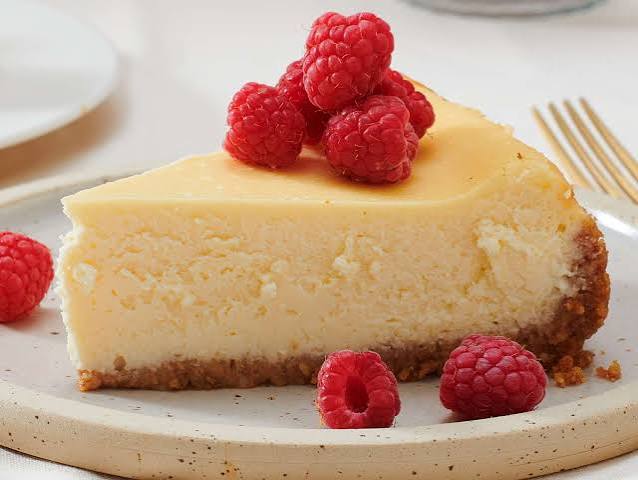
Easy Homemade Cheesecake Recipe (Creamy, Smooth & Delicious)
Helpful Tips for Perfect Cheesecake
Use room-temperature ingredients. Cream cheese, sour cream, and eggs blend more smoothly when they aren’t cold.
Mix on low speed. Incorporating too much air can cause the filling to rise and fall unevenly.
Don’t overbake. A slight wobble in the center is normal. The filling will firm up as the cheesecake cools and chills.
Consider a water bath. It helps the cheesecake bake gently and can minimize cracks. If you use one, wrap the pan carefully to prevent leaks.
Cool it gradually. Avoid moving a very hot cheesecake straight into the refrigerator.
Chill overnight if possible. Although six hours is a useful minimum, overnight chilling gives the cheesecake a firmer texture and a more developed flavor.
Use a warm knife for slicing. Wiping the blade between cuts creates neater slices for serving or photographs.
Delicious Cheesecake Variations
Once you’ve mastered the classic version, try one of these easy variations.
Strawberry Cheesecake
Top the chilled cheesecake with fresh sliced strawberries or a homemade strawberry sauce. For a beautiful presentation, arrange the berries in a circle around the edge.
Chocolate Cheesecake
Add a chocolate cookie crust made from finely crushed chocolate sandwich cookies and melted butter. You can also drizzle melted chocolate over each slice before serving.
Lemon Cheesecake
Increase the lemon flavor by adding 1–2 teaspoons of finely grated lemon zest to the filling. Serve with fresh berries for a bright, refreshing dessert.
Caramel Cheesecake
Drizzle caramel sauce over the chilled cheesecake and sprinkle with a little flaky sea salt. Add chopped toasted pecans if you enjoy a crunchy topping.
Blueberry Cheesecake
Serve each slice with blueberry sauce or a spoonful of cooked blueberries. Let the topping cool before adding it to the cheesecake.
Gluten-Free Cheesecake
Use certified gluten-free graham crackers or gluten-free cookies for the crust. Replace the all-purpose flour with a suitable gluten-free flour blend or cornstarch, using a comparable amount and checking the product’s instructions.
What to Serve with Homemade Cheesecake
Cheesecake is rich enough to enjoy on its own, but a few simple additions can make it even more special.
- Fresh berries: Strawberries, raspberries, and blueberries add freshness and color.
- Fruit sauce: Strawberry or blueberry sauce brings a sweet-tart contrast.
- Coffee: A cup of freshly brewed coffee balances the creamy dessert.
- Whipped cream: A small dollop makes each slice feel like a bakery treat.
- Chocolate or caramel drizzle: Perfect for anyone who enjoys a sweeter dessert.
- Fresh fruit salad: A light fruit side complements the richness of the cheesecake.
For a holiday dessert table, serve small cheesecake slices alongside cookies, fruit, and coffee.
Storage Instructions
How to Store Cheesecake in the Refrigerator
Cover the cheesecake tightly or store individual slices in an airtight container. Refrigerate promptly and keep it at 40°F or below.
For best quality, enjoy homemade cheesecake within 3–4 days.
Because cheesecake contains cream cheese, eggs, and other perishable ingredients, do not leave it at room temperature for more than 2 hours, or more than 1 hour if the surrounding temperature is above 90°F.
Can You Freeze Cheesecake?
Yes! Cheesecake freezes well when wrapped properly.
For best results, chill the cheesecake completely first. You can freeze it whole or cut it into individual slices.
Wrap each portion tightly in plastic wrap, then place it in a freezer-safe container or bag. Freeze for up to 2 months for best quality.
Thaw the cheesecake in the refrigerator overnight before serving. Add fresh fruit, whipped cream, or sauces after thawing.
How to Make Cheesecake Ahead of Time
Cheesecake is an excellent make-ahead dessert because it needs several hours to chill.
Bake it the day before serving, let it cool, and refrigerate overnight. Add the toppings shortly before serving so they remain fresh and attractive.
Frequently Asked Questions
Why did my cheesecake crack?
Cracks can develop when the cheesecake is overmixed, overbaked, or cooled too quickly. Using room-temperature ingredients, mixing on low speed, baking until the center is just set, and cooling gradually can help reduce cracking.
If a crack appears, don’t worry. Cover it with whipped cream, fruit, chocolate ganache, or caramel sauce.
How do I know when cheesecake is done?
The edges should be set, while the center should still wobble gently when the pan is moved. It should not look liquid. A thermometer inserted into the center can help; aim for approximately 150°F for this recipe.
Can I make cheesecake without a water bath?
Yes. A water bath is optional. It helps provide gentle, even heat, but you can bake the cheesecake without one. Watch the center carefully, avoid overbaking, and cool the cheesecake gradually.
Can I use whipped cream cheese?
Block cream cheese is recommended for this baked recipe because whipped or tub-style cream cheese may have a different moisture content and texture. For the most consistent results, use full-fat cream cheese sold in blocks.
How long should cheesecake chill?
Refrigerate it for at least 6 hours after cooling, although overnight is preferable. Chilling allows the filling to set fully and makes it easier to cut clean slices.
Can I make this cheesecake without sour cream?
You can substitute an equal amount of full-fat plain Greek yogurt. The flavor and texture may be slightly different, but it can still produce a creamy cheesecake.
Why is my cheesecake lumpy?
Lumps are often caused by cream cheese that was too cold when mixed. Allow the cream cheese to soften at room temperature and beat it until smooth before adding the other ingredients.
Can I make cheesecake in advance for a party?
Absolutely. Make it one day ahead and keep it refrigerated. Add fruit, whipped cream, or other toppings shortly before serving.