
Vaping and a Rare Lung Disease: What Science Reveals About the Possible Long-Term Risks
Vaping has become increasingly popular over the past decade, particularly among teenagers and young adults. Many people consider electronic cigarettes an alternative to traditional smoking, but growing scientific research is raising important questions about their possible effects on respiratory health.
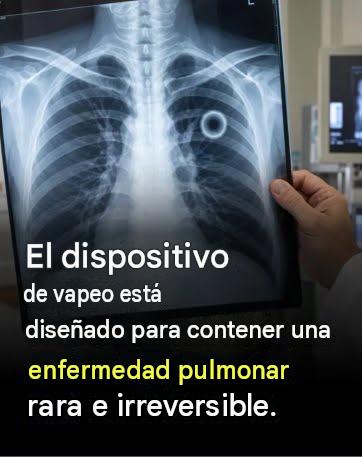
One particular concern involves a rare condition known as bronchiolitis obliterans, sometimes called “popcorn lung.” This chronic disease damages the smallest airways in the lungs and can cause lasting breathing difficulties.
But is vaping officially proven to cause this condition? The scientific evidence deserves a closer look.
What Is Bronchiolitis Obliterans?
Bronchiolitis obliterans is an uncommon respiratory disease that affects the bronchioles, the tiny passages responsible for carrying air through the lungs.
When these small airways become injured, scar tissue can develop and gradually narrow the passages. This makes it increasingly difficult for air to move normally.
Unlike some temporary respiratory conditions, the damage associated with this disease can be permanent.
The condition became known as “popcorn lung” after workers in microwave popcorn factories developed respiratory problems following exposure to certain flavoring chemicals, particularly diacetyl.
According to the American Lung Association, chemical exposure is among the recognized causes of this condition.
What Is the Connection Between Vaping and Lung Damage?
Electronic cigarettes produce an aerosol that users inhale into their lungs. Depending on the device and liquid, this aerosol may contain nicotine, flavoring chemicals, metals and other potentially harmful substances.
Some flavoring chemicals, including diacetyl, have attracted scientific attention because of their association with respiratory damage.
A 2023 study published in the New England Journal of Medicine examined patients experiencing chronic respiratory problems after using electronic cigarettes. Researchers identified small-airway fibrosis, including constrictive bronchiolitis, in several patients.
The findings raised concerns about a possible connection between prolonged vaping and small-airway disease. However, this limited patient series does not establish that vaping causes the condition in every user.
Why Are Scientists Concerned About Long-Term Vaping?
Although researchers are continuing to investigate the long-term consequences of vaping, several potential health concerns have emerged.
1. Exposure to inhaled chemicals
Vaping aerosols can contain substances that may irritate or damage respiratory tissues.
2. Persistent respiratory irritation
Some users report coughing, wheezing and throat irritation after vaping.
3. Possible small-airway injury
Research has identified changes in small-airway tissue among some people with a history of vaping.
4. Nicotine dependence
Many vaping products contain nicotine, an addictive substance that can make it difficult for users to stop.
The CDC emphasizes that electronic cigarettes are not harmless and that their long-term health effects are still being studied.
Symptoms That Should Not Be Ignored
Respiratory conditions can develop in different ways, and their symptoms may overlap with other illnesses.
Possible warning signs include:
- Persistent coughing.
- Shortness of breath.
- Wheezing during breathing.
- Chest discomfort.
- Reduced ability to tolerate physical activity.
- Unusual or worsening breathing difficulties.
These symptoms do not automatically mean someone has bronchiolitis obliterans. However, anyone experiencing persistent or worsening respiratory symptoms should seek medical evaluation, particularly if they vape.
Severe difficulty breathing or significant chest pain requires urgent medical attention.
Can Lung Damage From Bronchiolitis Obliterans Be Reversed?
One of the most concerning characteristics of bronchiolitis obliterans is that the scar tissue can cause permanent narrowing of the airways.
Treatment depends on the underlying cause and the severity of the disease. Medical care may focus on managing inflammation, supporting breathing and preventing further injury.
In some reported cases involving vaping-associated small-airway disease, patients experienced partial improvement after stopping vaping. However, this does not mean that established lung damage can always be reversed.
Early medical assessment is important when respiratory symptoms appear.
Does This Mean Every Person Who Vapes Will Develop Lung Disease?
No. It is important to distinguish between a possible health association and a proven cause.
Not everyone who uses electronic cigarettes develops respiratory disease. At the same time, the absence of immediate symptoms does not establish that vaping is safe.
Health Canada explains that vaping is not an established cause of popcorn lung and that no confirmed vaping-related cases of this specific condition had been reported in Canada in its published guidance.
This distinction is important because other forms of vaping-associated lung injury have also been documented.
Practical Steps to Protect Respiratory Health
Reducing exposure to potentially harmful substances is an important part of protecting lung health.
Consider the following recommendations:
- Avoid starting vaping if you do not already use nicotine products.
- If you vape, consider seeking professional support to stop.
- Avoid inhaling unregulated or modified vaping liquids.
- Do not ignore persistent coughing or breathing difficulties.
- Speak with a healthcare professional about concerns regarding respiratory health.
People who currently smoke should seek evidence-based advice before switching products or attempting to quit. Completely stopping tobacco use remains an important health goal.
Final Thoughts
Vaping is often discussed as an alternative to traditional cigarettes, but it should not be confused with a risk-free habit.
Scientific research has identified potential respiratory concerns, including evidence of small-airway injury in some people who vape. However, the claim that vaping has been officially proven to cause popcorn lung in the general population goes beyond what current evidence establishes.
Understanding the difference between confirmed findings and ongoing research helps people make informed decisions about their health.
Your lungs play an essential role in every breath you take. Protecting your respiratory health today can be an important investment in your future.
Medical Disclaimer
This article is intended for general educational purposes only. It does not provide medical advice, diagnose diseases or replace consultation with a qualified healthcare professional.
